Engineering the Future.
We design, build and operate software for companies that need it to actually work. Web platforms, mobile apps, AI features, and the infrastructure underneath them.
- Senior
- Only. Founders write the code.
- Weeks
- To production, not quarters.
- Ongoing
- We operate what we ship.
- Web platforms
- Mobile apps
- AI integration
- Cloud & DevOps
- Legacy rebuilds
- Internal tools
- API design
- Maintenance retainers
We stay on what we build.
Software is not finished when it ships — that is when it starts meeting reality. We keep running the systems we build, and knowing we will be the ones maintaining them changes how we design them in the first place. Three commitments follow from that, and they shape every project we take on.
- You talk to us, and we write the code
- We are a small senior team, and the founders are hands-on in the codebase. The people who scope your project are the people who build it, so nothing is lost in translation and the estimate comes from whoever has to honour it.
- We build it, then we run it
- An engagement does not end at handover. We monitor, maintain and keep improving what we ship. Knowing we will be the ones woken up by an alert at 3am changes what we are willing to put into production in the first place.
- We get something real into production early
- You should be using a working piece of your own software within weeks. Not a prototype, not a slide — a deployed thing that does one useful job. Everything after that is an argument with reality rather than with a specification.
What we do
Four service lines. Most projects use more than one of them.
How a project actually runs
Four stages. The first one is short and the last one does not end.
- 01About a week
Discover
We work out what the software has to do and, more usefully, what it does not. This is where most of the cost of a project is decided, so we keep it short and specific rather than turning it into a billable phase of its own. You get a written scope, an architecture sketch and a real estimate.
- 02About a week
Architect
Data model, system boundaries, integrations and the deployment shape — decided before code, because these are the decisions that are expensive to reverse. We choose boring technology deliberately, since we are the ones who will be maintaining it.
- 03Weeks, in short cycles
Build
Working software in your hands early and often, deployed to a real environment from the first cycle. You use it as it grows, which surfaces the wrong assumptions while they are still cheap to fix. No month-long silences, no reveal at the end.
- 04Ongoing
Operate
Monitoring, maintenance, security updates and the next round of improvements. This is where the relationship normally ends and where ours starts paying off — the team answering the alert is the team that wrote the code.
What we build with
Chosen for maintainability over novelty. We are the ones who will be maintaining it.
Front end
- TypeScript
- React
- Next.js
- Angular
- Vue.js
- Svelte
- React Native
- Swift
- Kotlin
Back end
- Node.js
- Python
- Java
- Spring Boot
- Go
- PHP
- Laravel
- PostgreSQL
- Redis
- GraphQL
AI
- Claude
- OpenAI
- Grok
- Ollama
- LangChain
- pgvector
- Pinecone
- Hugging Face
Infrastructure
- AWS
- Google Cloud
- Vercel
- Docker
- Terraform
- GitHub Actions
Selected work
A mix of client work, products in development, and things built to answer a question.
Live
Public — go and click around.
Real estate
Terresta (opens in a new tab)
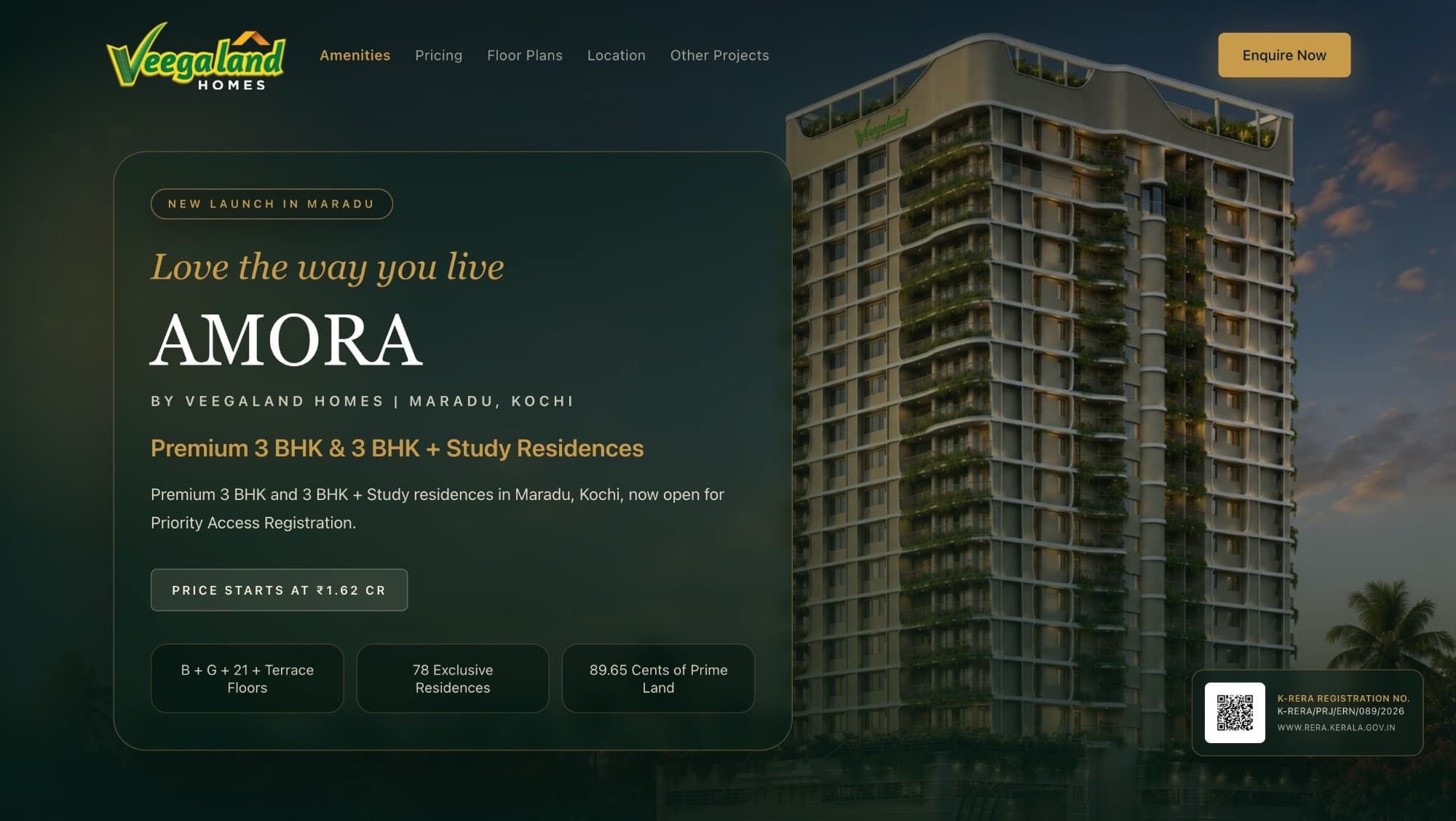
Terresta handles flat sales across a range of builders, and we build the launch site for each project — floor plans, pricing, location and enquiry capture in one scroll. Every site ships under the builder's own brand rather than Terresta's. The linked one is AMORA, a Veegaland Homes project in Maradu, Kochi; it is one of several we have built for the group.
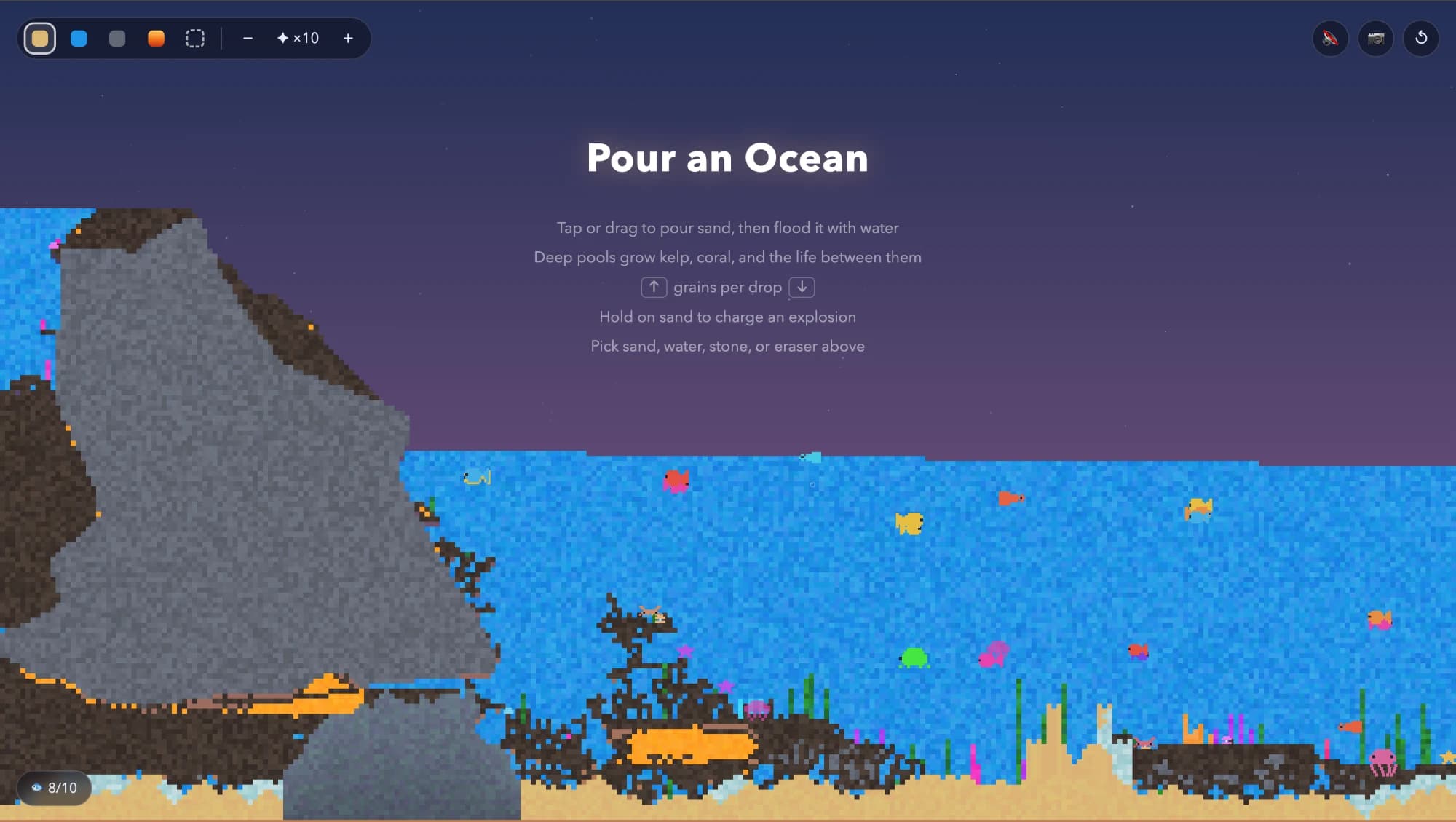
A falling-sand simulation that runs entirely in the browser. Pour sand, flood it with water, and deep pools start growing kelp, coral and the fish that live between them. Built to see how much simulation a single canvas can carry before it drops a frame.
Personal site
Portfolio (opens in a new tab)
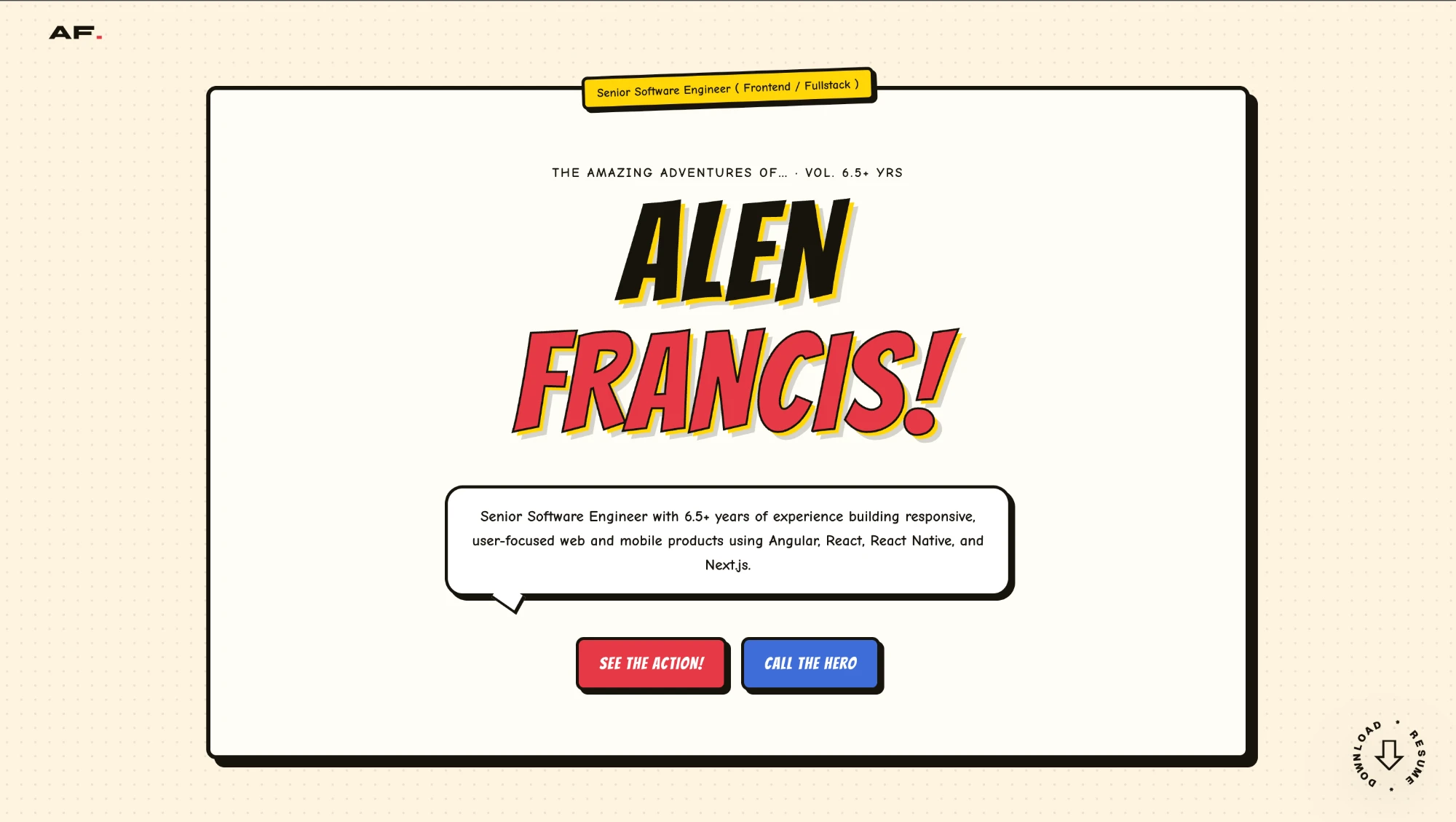
A personal portfolio with several switchable visual treatments over the same content — a working argument that structure and style are separable.
In Development
Our own products.
Cross-platform app
GreyNote
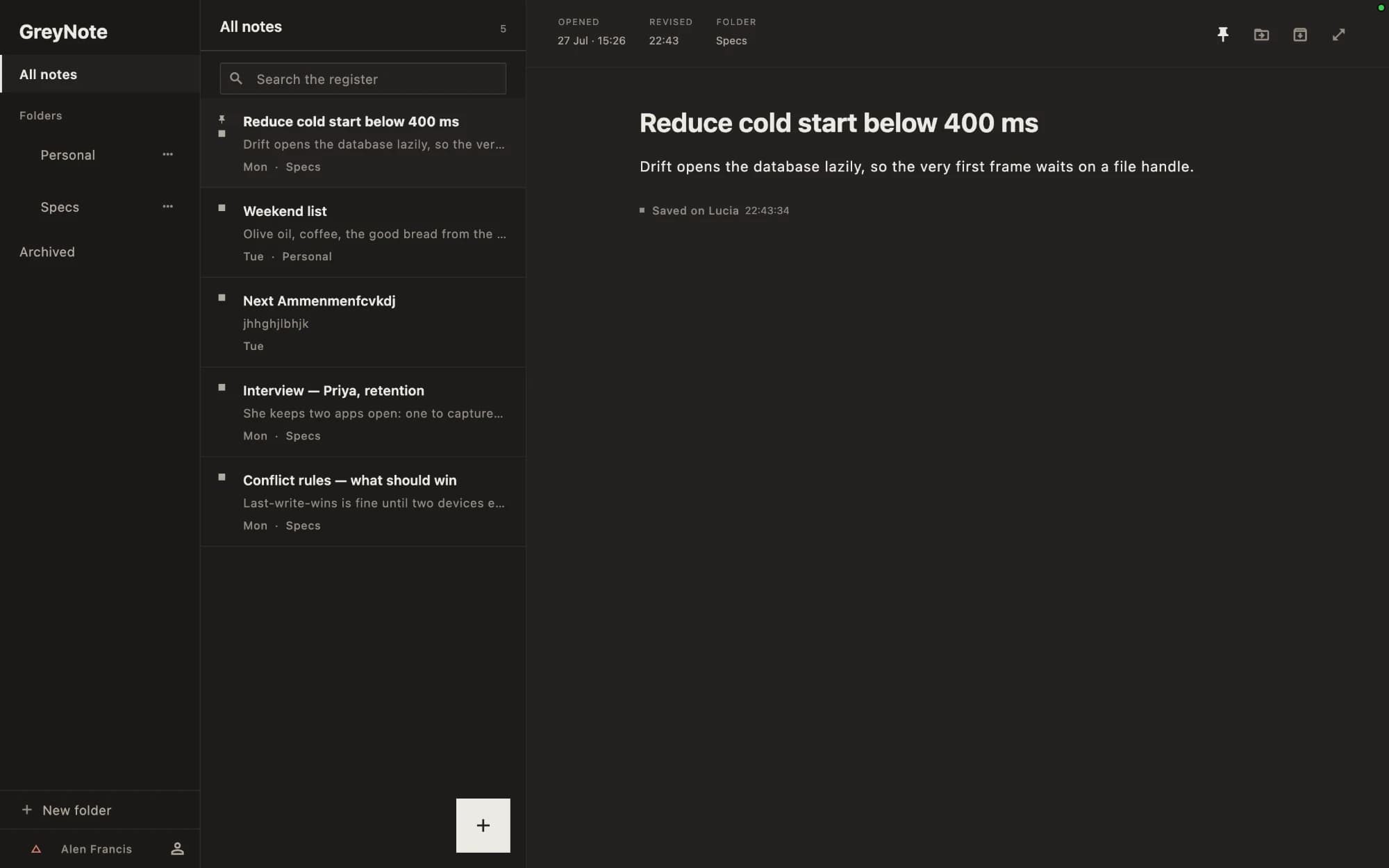
A universal notepad with multi-level sync across macOS, Windows, Linux, Android and iOS. The hard part is not the editor — it is conflict resolution when two devices edit the same note offline and both think they are right.
Game
Alchemy
A crafting game built on a levelling architecture: combine elements to discover new ones, with each tier unlocking the reactions above it. The design problem is a discovery tree that stays surprising a hundred combinations in.
Private
Client systems we cannot link to.
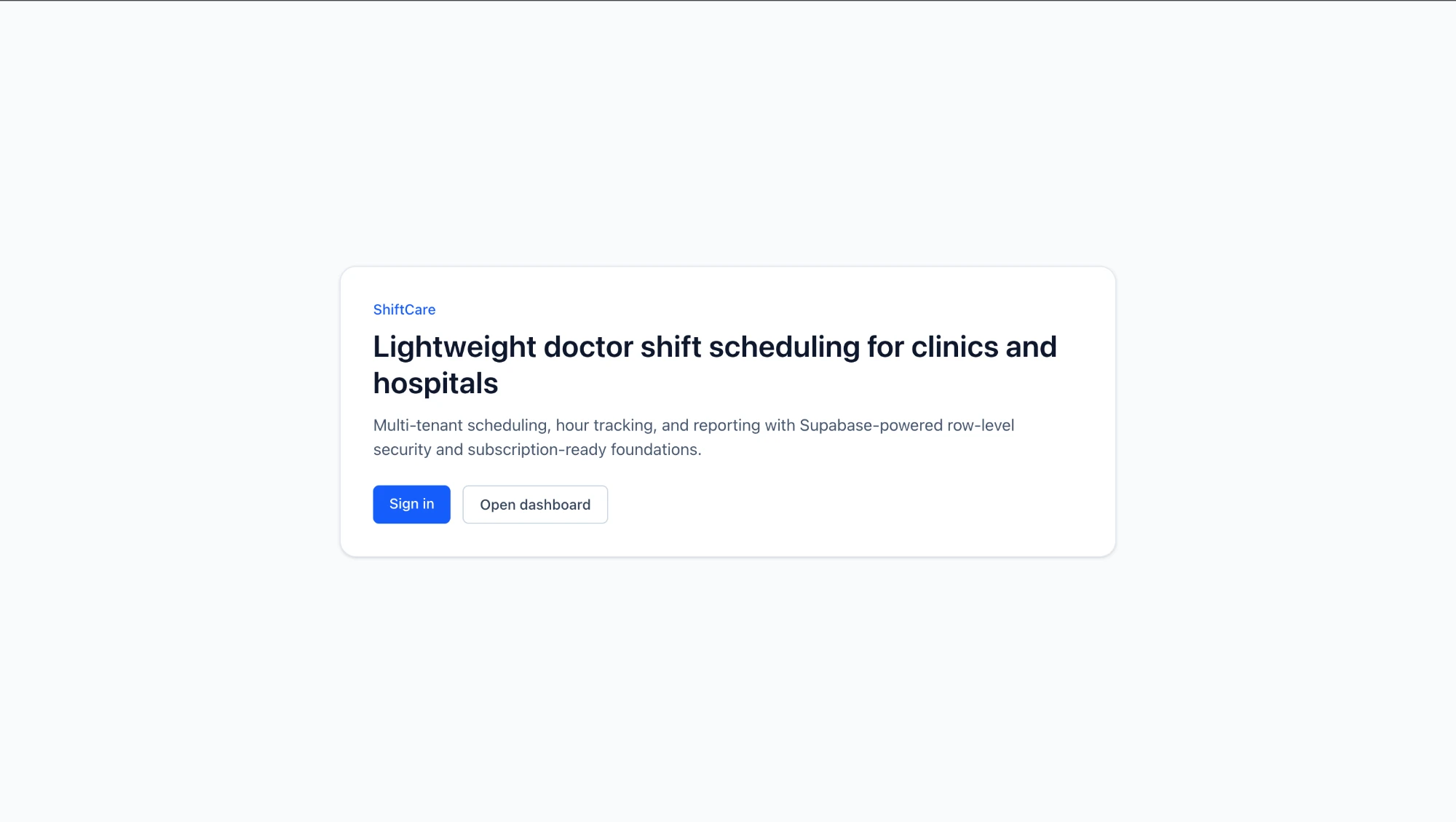
Healthcare scheduling
ShiftCare
Doctor shift scheduling for clinics and hospitals. Multi-tenant from the ground up, with row-level security so one organisation can never read another's roster, plus hour tracking and reporting.
Questions we get asked
Anything not covered here, just ask.
It depends on scope, and we will not pretend otherwise — but you get a real number before any commitment. Discovery is about a week and produces a written scope and a fixed estimate. If the estimate does not work for you, you walk away owning that scope document.
Weeks, not quarters. Something deployed and usable lands in the first build cycles rather than at the end. It will be narrow at first — one workflow done properly — and it grows from there.
We do. Codart is a small senior team and the founders are hands-on in the codebase. Nothing is passed to a junior bench or subcontracted out after the pitch.
We stay on it. Monitoring, maintenance, security updates and continued development under a support retainer. You are not obliged to keep us, and you own everything either way — but most clients keep us because the alternative is handing a live system to people who have never seen it.
Yes, completely. Source, infrastructure and accounts are yours and stay in your organisation from day one. There is no proprietary layer holding you hostage.
Often, yes. We start with a short audit of the codebase and infrastructure to establish what is salvageable and what is not, then give you an honest read — including if the honest read is that a rebuild is cheaper than a rescue.
Tell us what you are building
Four fields. We reply to every genuine enquiry, usually within one working day.
Prefer email? hello@codart.in
Or reach us on WhatsApp (opens in a new tab) or call +91 80751 64171.
Kochi, Kerala, India — remote-first · serving clients worldwide.
Still deciding? Talk it through with us first.
hello@codart.in